
How to File a Santa Cruz County Public Records Request
A clear request gets a faster answer. The key is to send it to the right office and describe the records well. County agency records, like Recorder or Sheriff files, go through a California Public Records Act request. Court case records use the court's own copy request form instead. Follow these steps.
- Identify which office holds the record: court, Recorder, or Sheriff.
- Put the request in writing with a clear description and any date range.
- Send it to the right office under the rule that applies.
- Pay any copy or certification fees the office charges.
- Receive the records, or a written reason if an exemption applies.
An agency must justify withholding a record under a stated exemption, and a denial can be challenged in court.
Public Records Act vs Court Records
Two different systems govern access in Santa Cruz County. The California Public Records Act covers state and local agency records. Court case files follow the California Rules of Court instead, not the Public Records Act. The comparison sorts out which rule applies where.
| Point | Agency Records | Court Case Records |
|---|---|---|
| Governed by | California Public Records Act | California Rules of Court |
| Held by | Recorder, Sheriff, county offices | Superior Court Records Division |
| How to request | Public records request | Court copy request form |
| Examples | Deeds, vital records, reports | Civil, criminal, probate files |
The California Public Records Act, Government Code section 7920.000, was recodified in 2023 from the older section 6250 numbering.
Records the Santa Cruz County Recorder Maintains
The County Recorder, Assessor-Recorder Sheri Thomas, keeps a permanent set of official records at 701 Ocean Street, Room 230. The office records deeds, liens, maps, and other documents presented for recording, plus vital records. Recording a document follows set rules and fees. The Recorder's document recording page explains the format and fee rules.
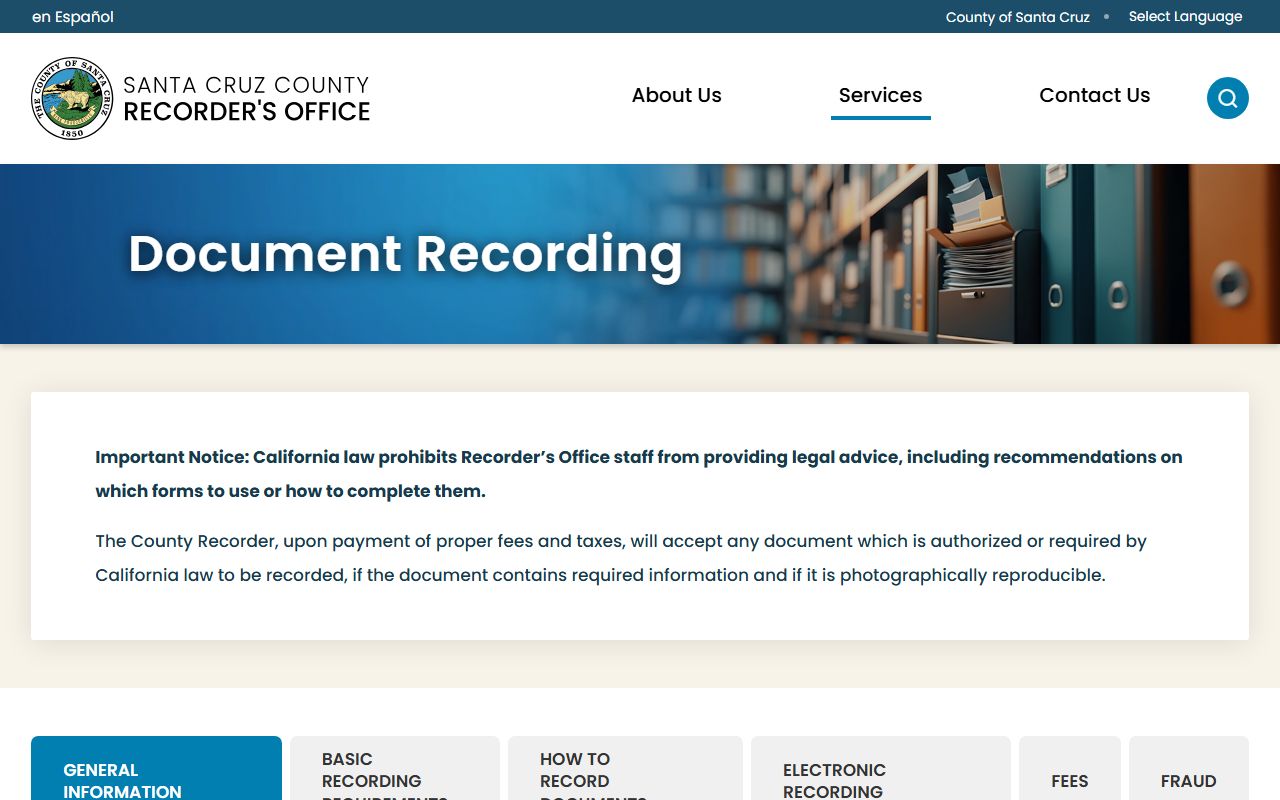
Recorded documents are public, so anyone can request a copy of most recorded items for the set fee.
Vital Records and Court Records
Vital records include birth, death, and marriage certificates. The Recorder issues certified copies of public marriage certificates and other vital records under Health and Safety Code section 103625, which sets the copy framework and fees. Confidential marriage records stay with the County Clerk and are sealed.
Court case records are a different category. They are presumed open unless a statute makes them confidential or a judge seals them. For the court lookup and copy steps, see Santa Cruz County court records, and for clerk copy requests see the Clerk of the Superior Court.
Confidential Exemptions
Not every record is open. The Public Records Act includes exemptions that let an agency withhold certain files. Law enforcement investigatory records have an exemption under Government Code section 7923.600, which matters for active Sheriff investigations. The act also incorporates other state and federal privileges under Government Code section 7927.705. A general balancing test under Government Code section 7922.000 applies when the public interest in withholding clearly outweighs disclosure.
Court files have their own confidential categories, such as juvenile records under Welfare and Institutions Code section 827 and family law limits under California Rules of Court rule 2.503. An agency or court that withholds a record must point to a specific legal basis.
Public Records Request Fields
Whether you use a court copy form or an agency request, the information asked for is similar. Giving complete details up front avoids back-and-forth. The table lists the fields a request usually includes.
| Field | What It Asks |
|---|---|
| Requester Contact | Your name, address, phone, and email. |
| Record Description | What you want, with case number or party name if a court file. |
| Date Range | The time period for the records. |
| Copy or Certification | Whether you need plain copies or certified copies. |
| Delivery Method | Pick up, mail, or email where allowed. |
| Payment | Check or credit-card authorization for fees. |
For a court file, a self-addressed stamped envelope is needed if you want copies mailed.
Santa Cruz County Public Records Fees
Copy and certification fees vary by office. The Recorder sets its own fees for recorded documents and maps. The court charges separately for case copies. The table lists common Recorder fees.
| Item | Amount |
|---|---|
| Official records copy, per page | $1.00 |
| Certification under seal, per document | $3.00 |
| Map copy, first page | $5.00 |
| Map copy, each additional page | $2.00 |
Vital record fees, such as for a birth, death, or marriage certificate, are set by state law; confirm the current amount with the Recorder before you order, since these are updated over time.
California Courts and Legal Framework
Understanding the court system helps you target a records request. California has three court levels: trial courts in each county, six Courts of Appeal districts, and the Supreme Court. The California Courts overview explains this structure.
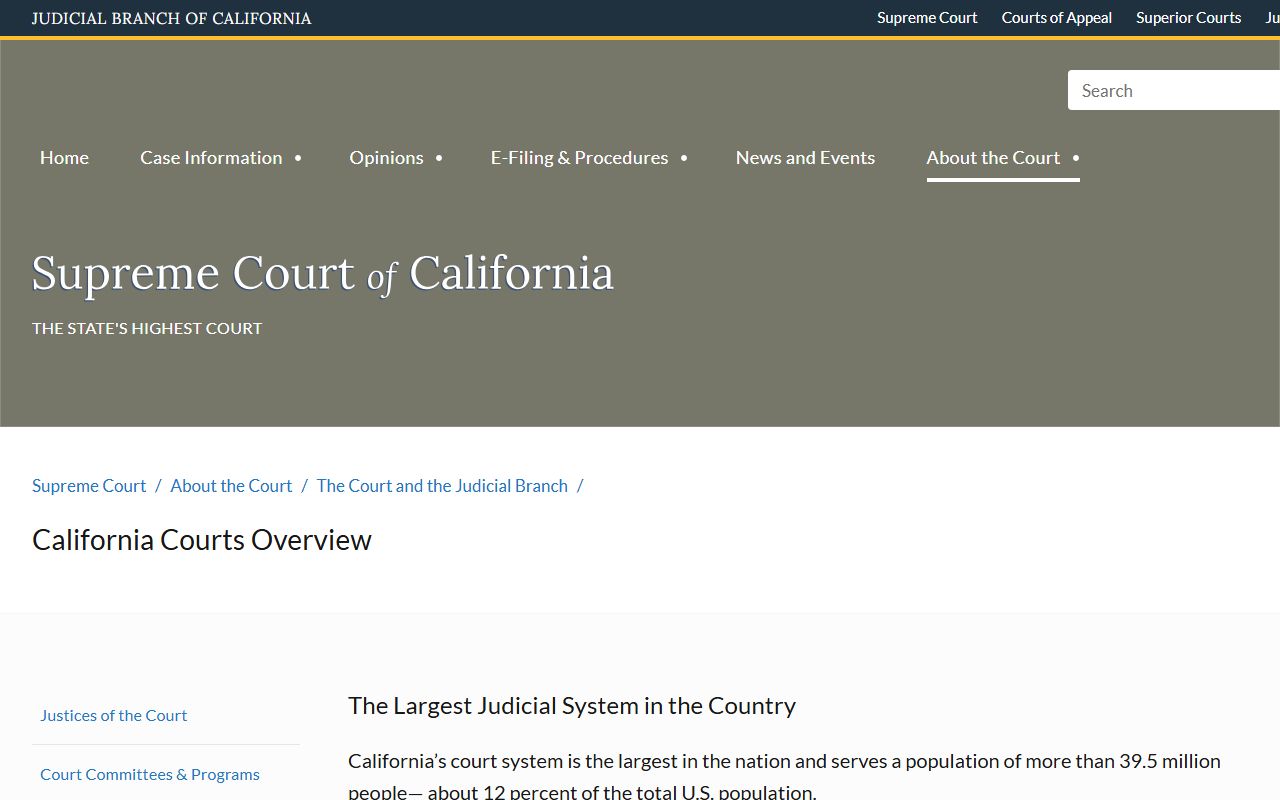
Santa Cruz County's Superior Court is the trial court within that structure.
The Judicial Branch also publishes a court hierarchy page that shows how the levels connect. The Judicial Branch courts page lays out the full hierarchy.
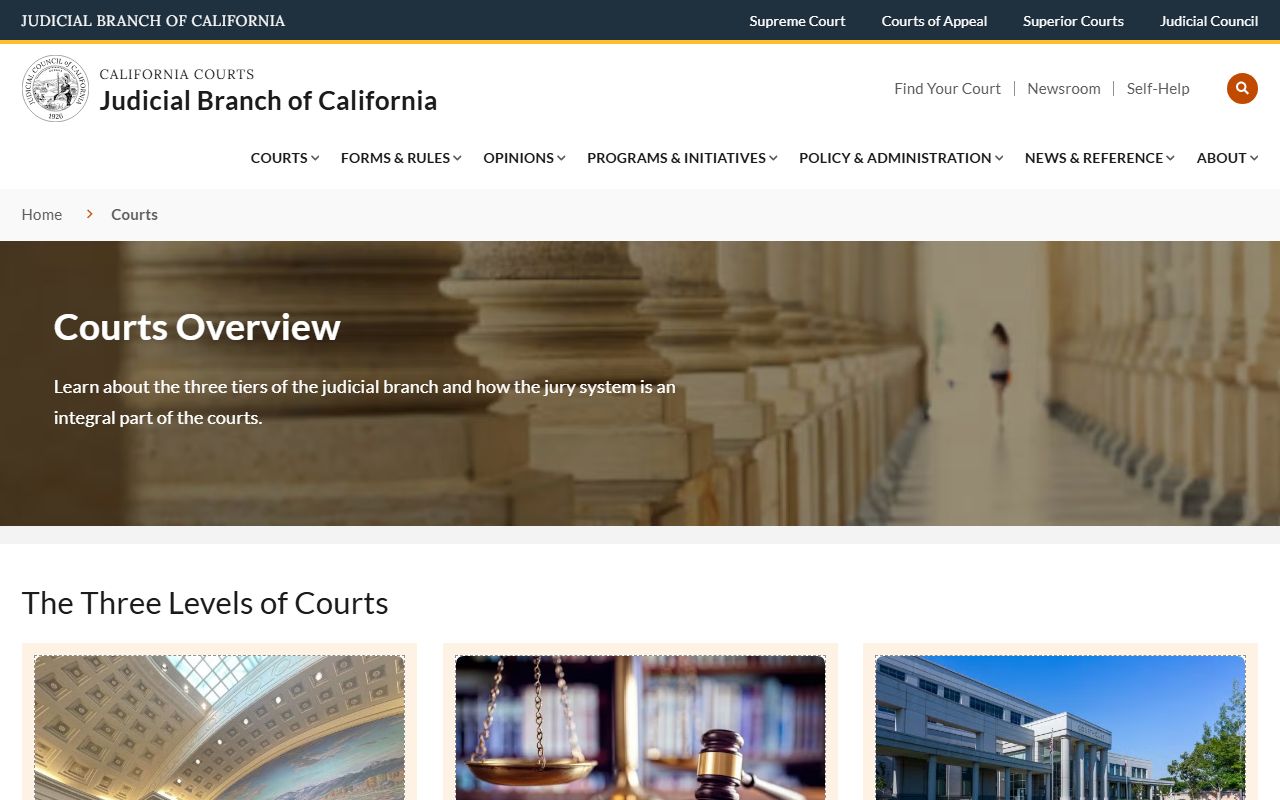
That page helps you tell a trial court record from an appellate one.
For the statutes behind these records, the official code site is the authority. The California legislative code site hosts the Public Records Act and related laws.
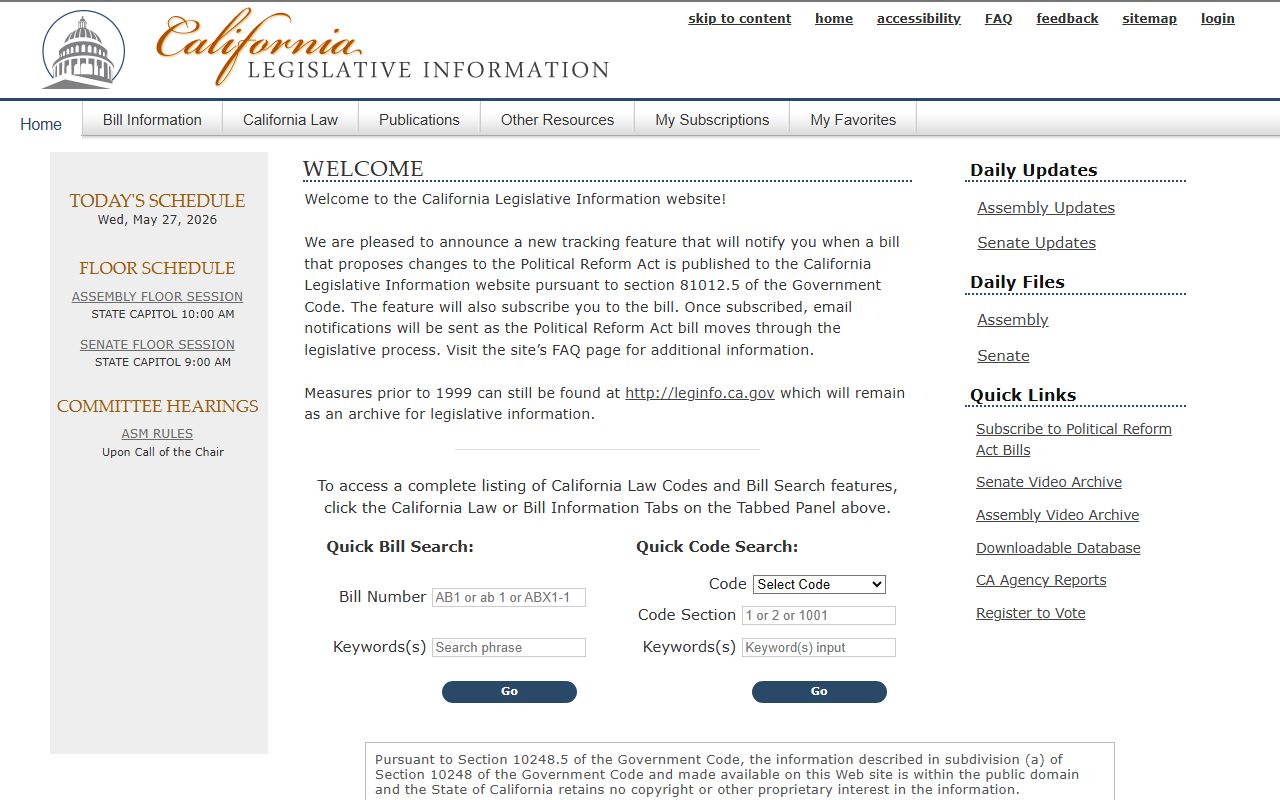
You can read the exact text of any statute cited for a Santa Cruz County records request there.
Federal Court Records Access
Some records are federal, not county. Bankruptcy filings from Santa Cruz County go to the U.S. Bankruptcy Court for the Northern District of California. The Bankruptcy Court site explains filing and access.
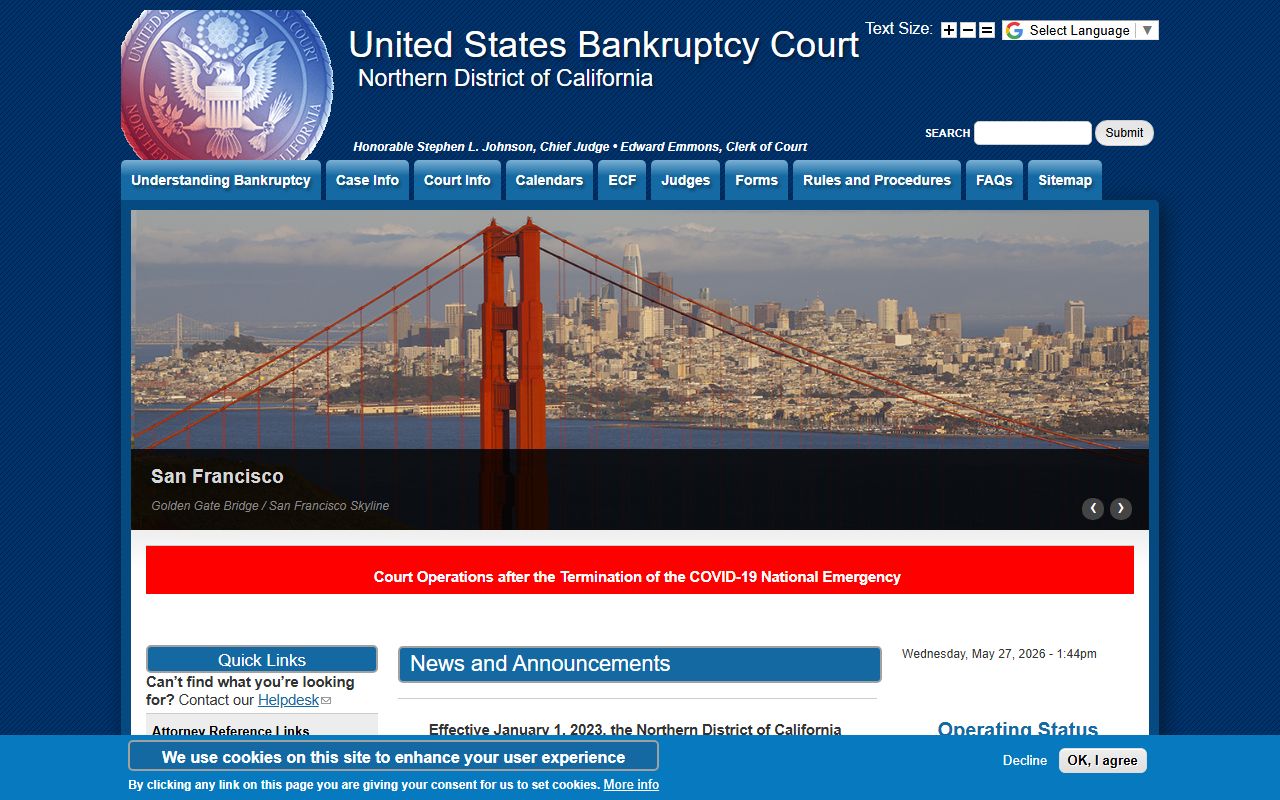
Bankruptcy records are federal, so they sit outside the county portal entirely.
To search federal cases across courts, the PACER Case Locator is the official cross-court tool. The PACER Case Locator finds a party or case across federal courts.
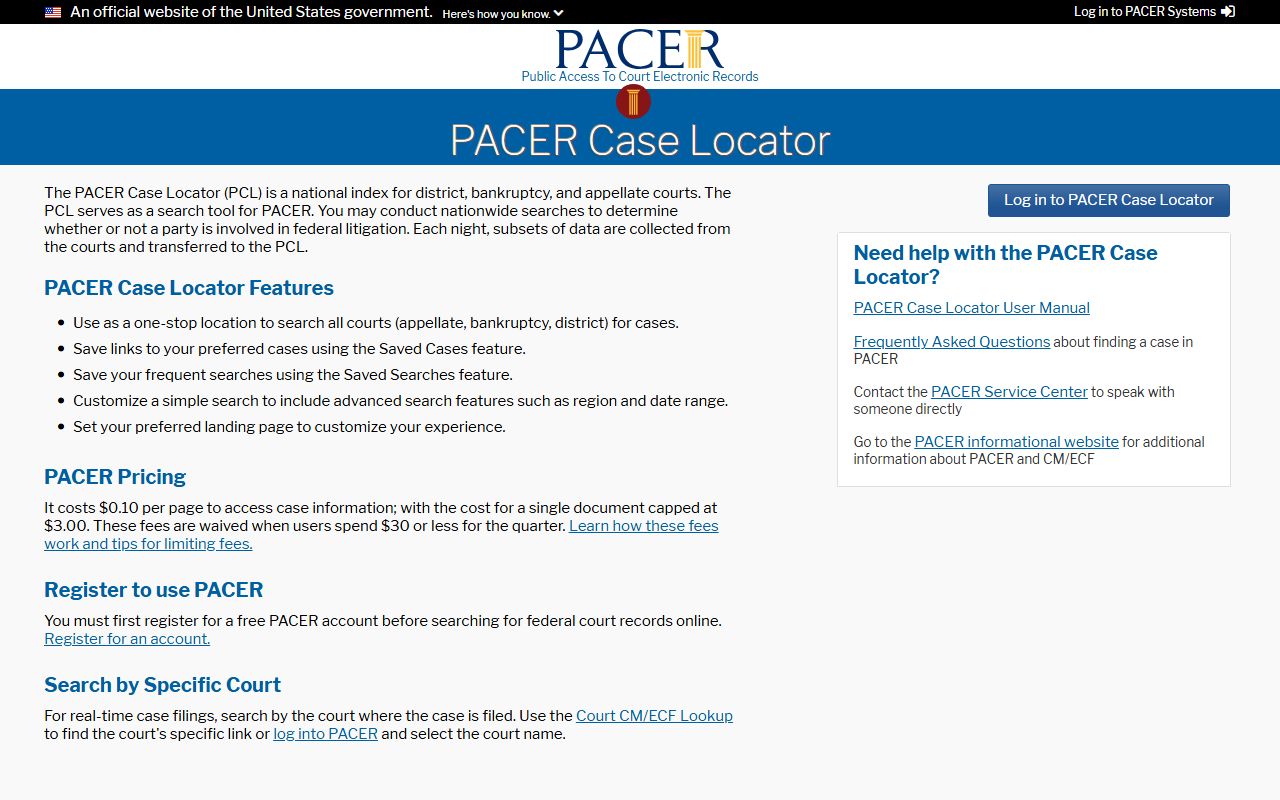
It requires a PACER account and charges federal access fees.
For free research, a public archive offers many federal dockets and opinions. The CourtListener archive is a free legal research tool, though it is not the official record.
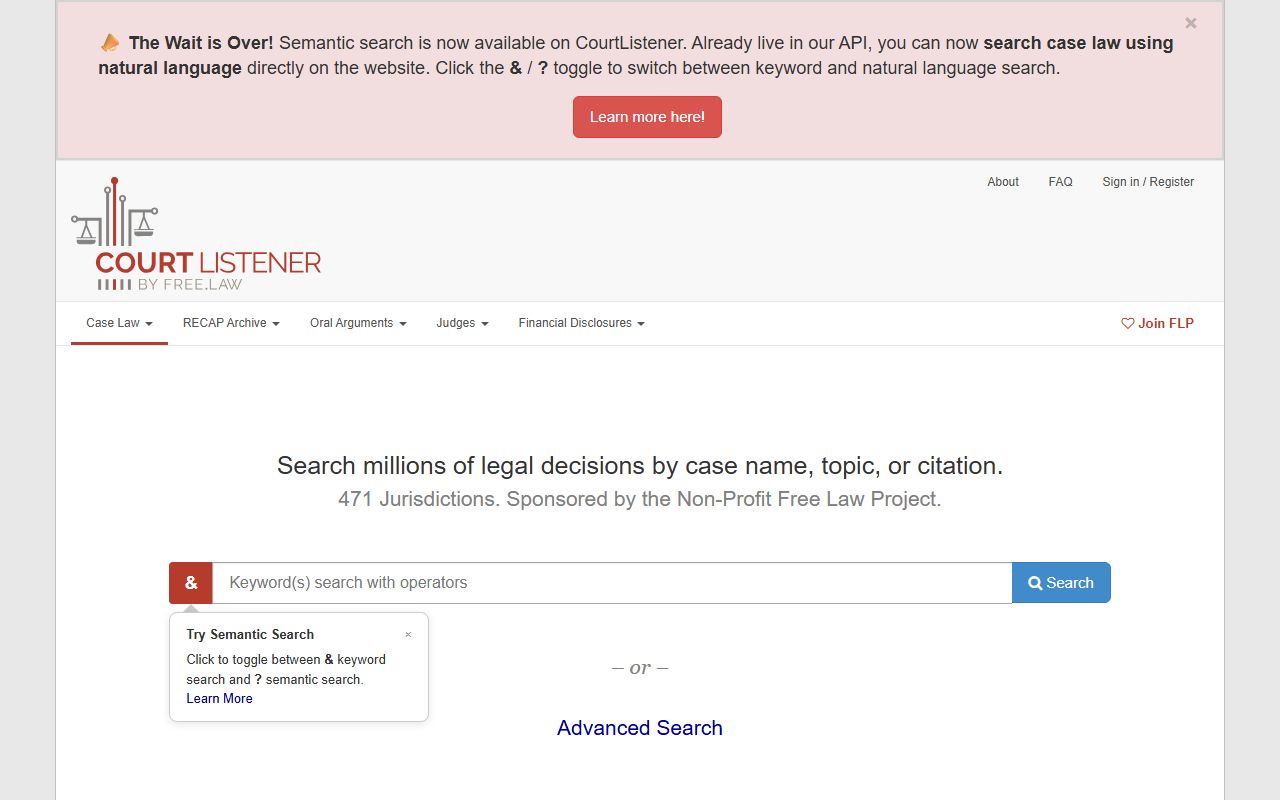
Use it for background, then confirm anything important against the official PACER record.
Sheriff and Other Agency Records
The Sheriff's Office holds many public records too, such as incident reports, jail booking data, and the public warrant search. Routine reports are usually available through a public records request, though active investigation files fall under the law enforcement exemption. Booking and warrant data are already public through the Sheriff's online tools.
Other county offices, from the Assessor to elections, also keep public records under the same Public Records Act. Each office has its own request process and fees. For jail and arrest data specifically, see Santa Cruz County inmate records and arrest records.
Common Public Records Questions
A couple of questions come up with most Santa Cruz County records requests.
How fast must an agency respond? Under the Public Records Act, an agency must respond within a set timeframe, either providing records or explaining an exemption. Complex requests can take longer, and the agency should tell you so.
Can a request be denied? Yes, but only under a specific exemption. The agency must cite the legal basis, and you can challenge a denial in court.